Book Recommendations

image 2026 02 13 100232751

The BBKA Guide to Beekeeping, Second Edition

A clear and comprehensive guide to beekeeping.

The number of people interested and active in keeping bees at an amateur level has continued to increase over the past few years in both rural and urban situations. This guide, aimed at beginning beekeepers, and the only one to be endorsed by the BBKA provides an authoritative text, along with clear photographs and illustrations.

The book introduces the reader to beekeeping, including such areas as the workings of the colony, the structure of a hive, how to acquire bees and keep them healthy and what happens in each month in a beekeeping year. Each chapter is accompanied by anecdotes, answers to frequently asked questions and fascinating facts about bees and honey.

The new edition includes new step-by-step sequences to illustrate procedures such as containing a swarm, identifying the queen, using a smoker and cleaning a hive as well as more information on different kinds of hives, disease management and many other key areas.

Haynes Bee Manual

The Bee Manual offers a clear and concise introduction into the fascinating world of the honey bee and the addictive craft of beekeeping.

For various reasons, the number of bee colonies has been declining and there is great interest in trying to aid their recovery. Anyone wanting to keep bees first needs to learn about the individuals, how colonies operate and how the beekeeper can work with these insects to help them thrive, carry out their pollination activities and produce a satisfying honey crop.

Full of colour photos and clear step-by-step text, this book offers practical advice for anyone planning to take up this absorbing hobby.

Haynes H5057 cover 1

Haynes Bee Manual

The Bee Manual offers a clear and concise introduction into the fascinating world of the honey bee and the addictive craft of beekeeping.

For various reasons, the number of bee colonies has been declining and there is great interest in trying to aid their recovery. Anyone wanting to keep bees first needs to learn about the individuals, how colonies operate and how the beekeeper can work with these insects to help them thrive, carry out their pollination activities and produce a satisfying honey crop.

Full of colour photos and clear step-by-step text, this book offers practical advice for anyone planning to take up this absorbing hobby.
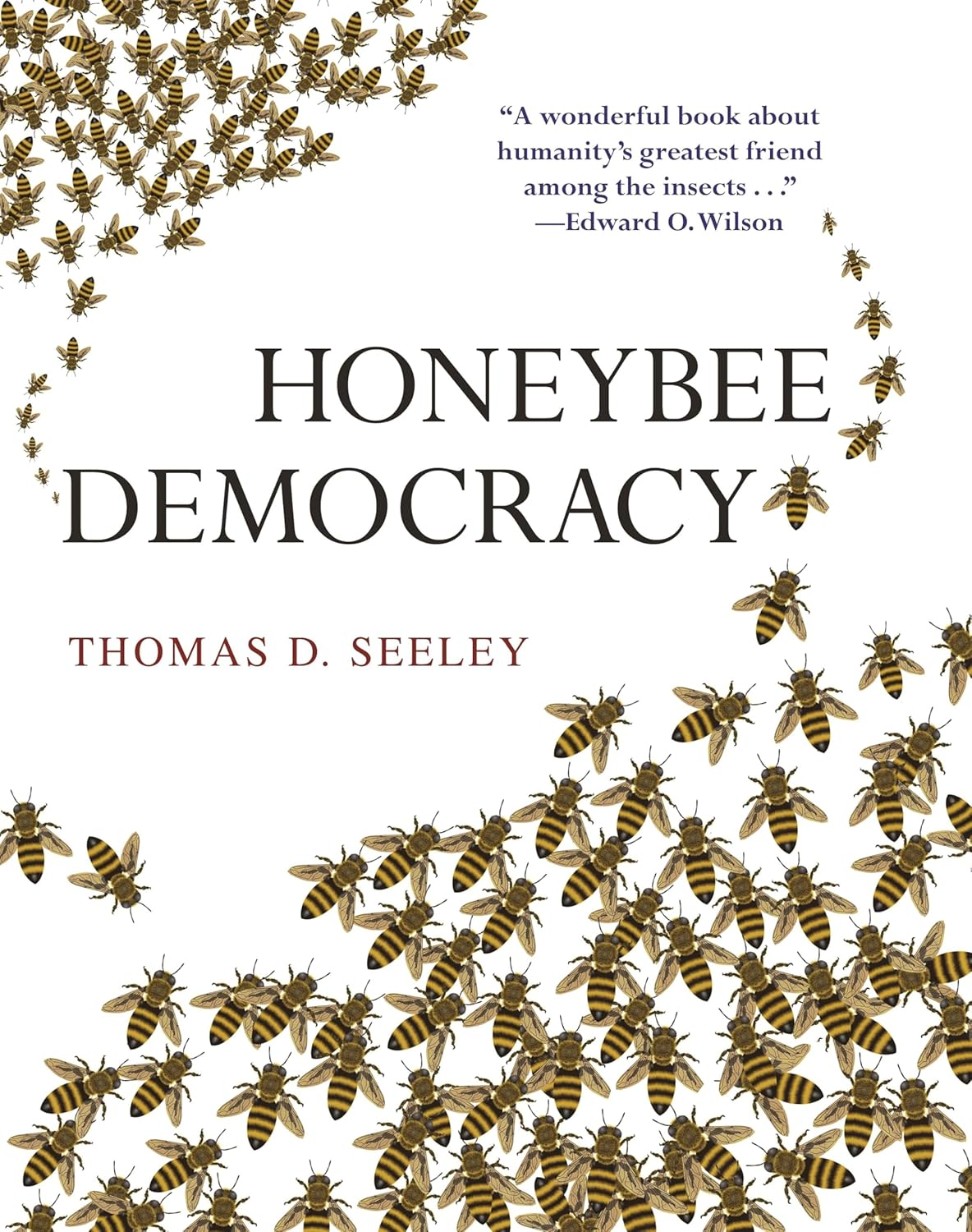
image 2026 05 14 124335789

Honeybee Democracy

Honeybees make decisions collectively - and democratically. Every year, faced with the life-or-death problem of choosing and traveling to a new home, honeybees stake everything on a process that includes collective fact-finding, vigorous debate, and consensus building. In fact, as world-renowned animal behaviorist Thomas Seeley reveals, these incredible insects have much to teach us when it comes to collective wisdom and effective decision making. A remarkable and richly illustrated account of scientific discovery, "Honeybee Democracy" brings together, for the first time, decades of Seeley's pioneering research to tell the amazing story of house hunting and democratic debate among the honeybees. In the late spring and early summer, as a bee colony becomes overcrowded, a third of the hive stays behind and rears a new queen, while a swarm of thousands departs with the old queen to produce a daughter colony. Seeley describes how these bees evaluate potential nest sites, advertise their discoveries to one another, engage in open deliberation, choose a final site, and navigate together - as a swirling cloud of bees - to their new home. Seeley investigates how evolution has honed the decision-making methods of honeybees over millions of years, and he considers similarities between the ways that bee swarms and primate brains process information. He concludes that what works well for bees can also work well for people: any decision-making group should consist of individuals with shared interests and mutual respect, a leader's influence should be minimized, debate should be relied upon, diverse solutions should be sought, and the majority should be counted on for a dependable resolution. An impressive exploration of animal behavior, "Honeybee Democracy" shows that decision-making groups, whether honeybee or human, can be smarter than even the smartest individuals in them.

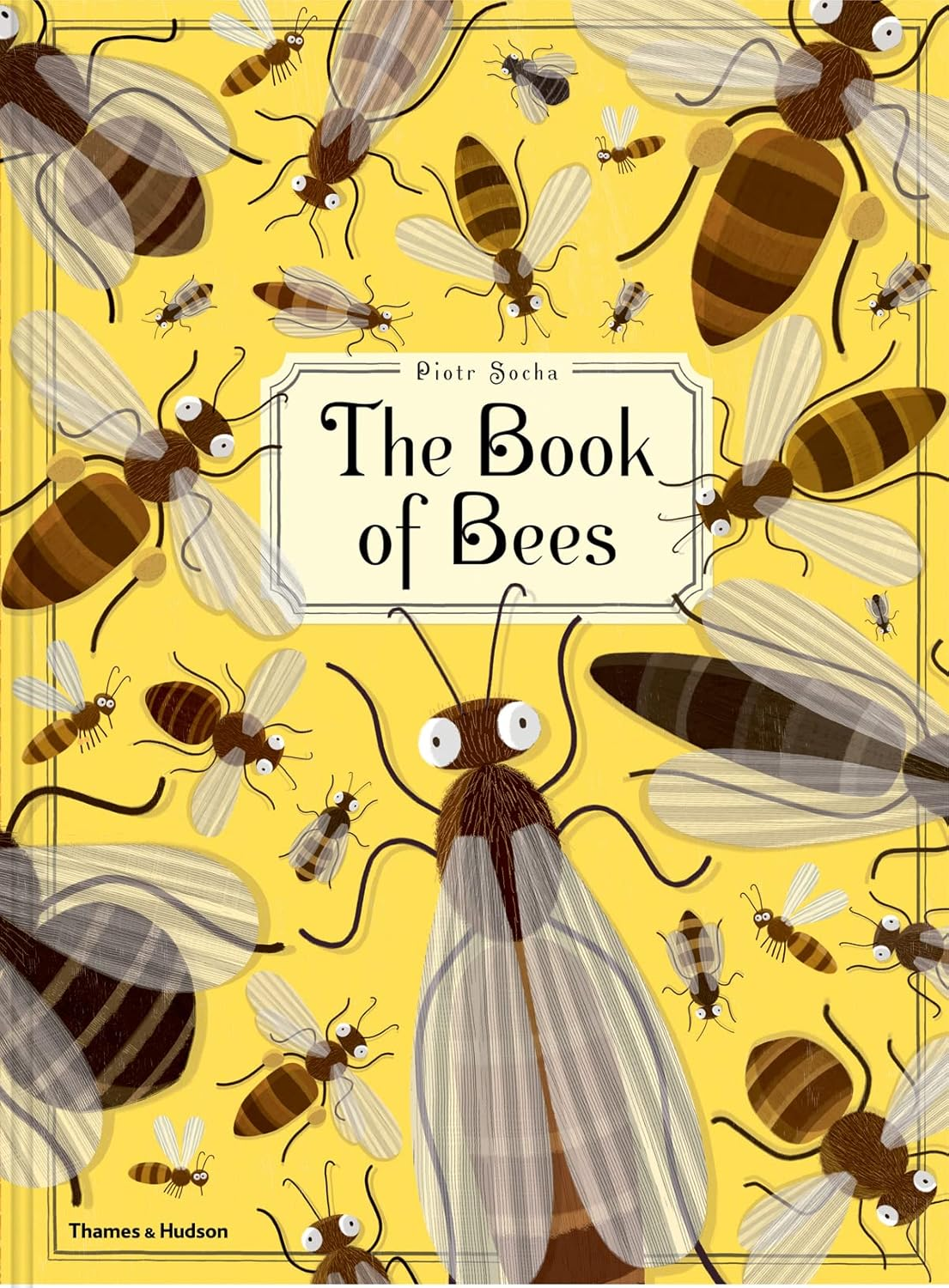
The Book of Bees

How do bees communicate? What does a beekeeper do? Did you know that Napoleon loved bees? Who survived being stung by 2,443 bees? This book answers all these questions and many more, tracking the history of bees from the time of the dinosaurs to their current plight.
image 2026 05 14 124440473

The Book of Bees

How do bees communicate? What does a beekeeper do? Did you know that Napoleon loved bees? Who survived being stung by 2,443 bees? This book answers all these questions and many more, tracking the history of bees from the time of the dinosaurs to their current plight.
image 2026 05 14 124608302

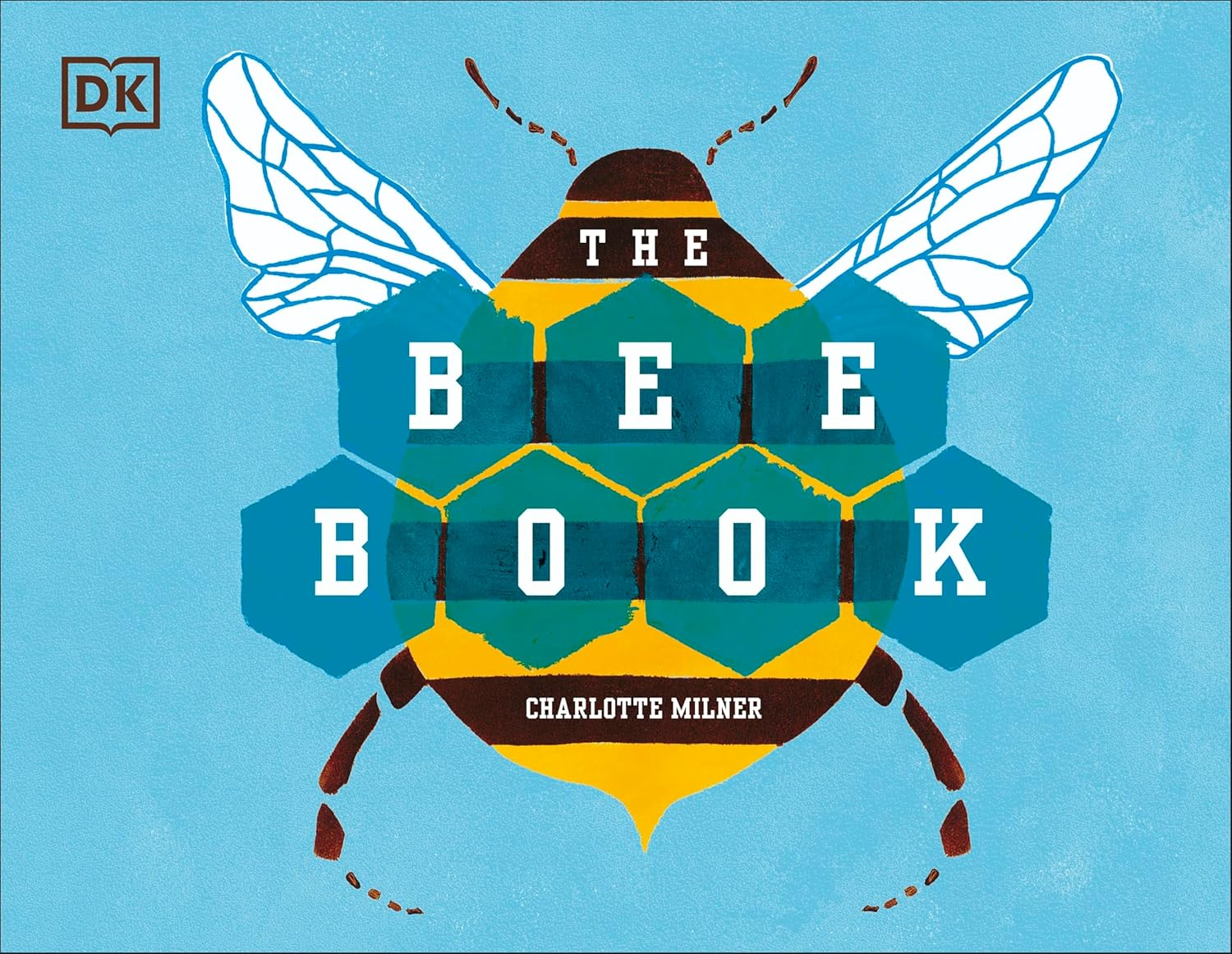
The Bee Book (Conservation for Kids)

Discover more about our fuzzy little insect friends with award-winning author and illustrator Charlotte Milner.

The perfect introduction to bee conservation for little ones. Learn all about the beautiful world of bees and their adventure from flower to flower. You'll find out just how much they matter, why they are declining, and what we can do to help in this adorable kids' book.

Bees are brilliant at building, super social creatures and along with other insects, are responsible for a third of every mouthful of food you eat! Children will be fascinated by the beautiful pictures and learn plenty of buzz-worthy fun facts in every chapter, covering types of bees, beehives, beekeeping, how they pollinate plants and make honey.

A beautiful kid's educational book about bees with a crucial message: not only does it inform and educate about an issue that is a real threat, but it also delivers it in a way that is gripping for all ages.

A dazzling celebration of bees, packaged in a gorgeous hard backed book made with high- quality paper and spectacular illustrations.

The Bee Friendly Garden: Easy ways to help the bees and make your garden grow
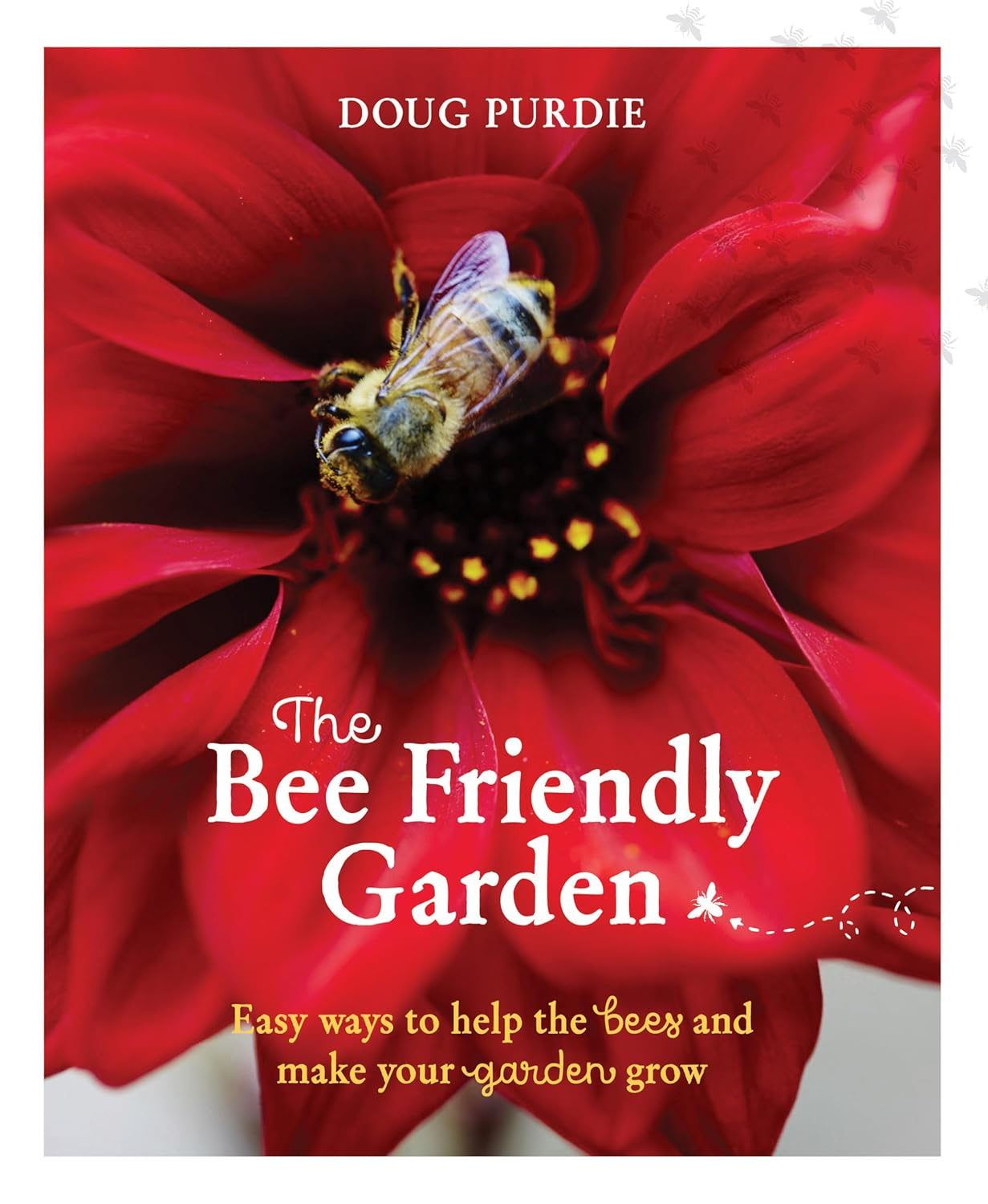
Bees, our most important pollinators, are in decline the world over. They love to live in urban environments, where it's a short flight path from one type of plant to the next. But conventional gardens that favour lawns and pesticides over flowers and fruit trees are scaring the good bugs away. The Bee Friendly Garden, by the author of Backyard Bees, is a guide for all gardeners great and small to encouraging bees and other good bugs to your green space. Includes: How bees forage and why your garden needs them A comprehensive plant guide to bee friendly plants Simple changes anybody can make Ideas for gardens of all sizes Natural pest control and companion planting advice.
image 2026 05 14 124807251

The Bee Friendly Garden: Easy ways to help the bees and make your garden grow
Bees, our most important pollinators, are in decline the world over. They love to live in urban environments, where it's a short flight path from one type of plant to the next. But conventional gardens that favour lawns and pesticides over flowers and fruit trees are scaring the good bugs away. The Bee Friendly Garden, by the author of Backyard Bees, is a guide for all gardeners great and small to encouraging bees and other good bugs to your green space. Includes: How bees forage and why your garden needs them A comprehensive plant guide to bee friendly plants Simple changes anybody can make Ideas for gardens of all sizes Natural pest control and companion planting advice.
image 2026 05 14 124959933

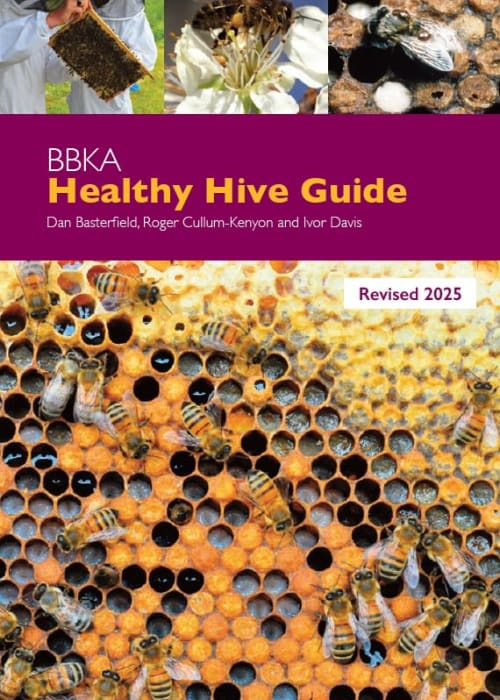
BBKA Healthy Hive Guide

This Healthy Hive Guide is intended to help you identify the problems in your hive. Not all problems manifest themselves in exactly the same way every time. It is sometimes enough for beekeepers to recognise that they may have a problem with their bees in order to seek help. This book is an excellent resource and should be in the tool kit of every beekeeper.

The book is ring bound, wipe clean and should fit exactly in the pocket of your bee suit so you can take it with you to the apiary.

For further more detailed explanations of pests and diseases, beekeepers should consult the National Bee Unit website, BeeBase.

Bottom-Up Beekeeping: Learning from debris on the hive floor
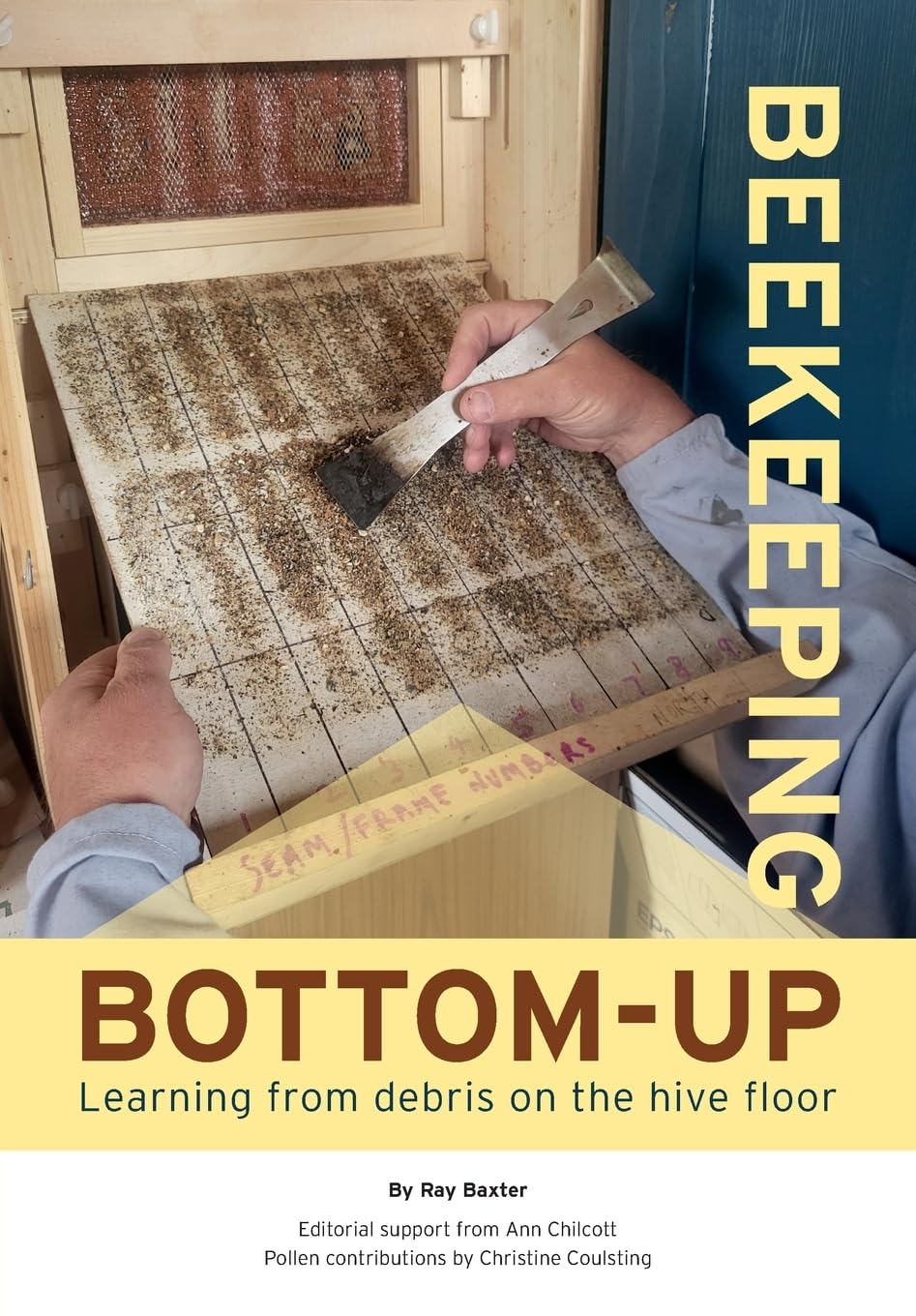
Are you interested in understanding your bees more and disturbing them less?

Learn how to use the debris from the hive floor as an indicator of colony activity and a way to interpret what's happening inside and outside of the colony. This book is based upon a DIY research project about how the debris from honey bees changes over a year. Ray uses these observations for a deep-dive into the scientific literature to explain the debris and relates this to beekeeping practice. More than two hundred high quality images give a fascinating insight into life of a honey bee colony.

Ray Baxter's passion for beekeeping started fifteen years ago when he was working as a biology teacher. His initial plan was to learn more about honey bees and share this experience with high school students in the biology classroom. This quickly developed from being an occasional lesson into an extra curricula bee club, to putting beekeeping on the school timetable as a Scottish National Progression Award (GCSE level) and supporting other schools with the development of their own beekeeping qualifications. It's a journey that has been inspired by the enthusiasm of young people and the questions that they ask. In fact, the idea for this book came from a discussion with youngsters who were counting mites on the inspection board and who became side tracked by other finds in the debris.

image 2026 05 14 125143004

Bottom-Up Beekeeping: Learning from debris on the hive floor

Are you interested in understanding your bees more and disturbing them less?

Learn how to use the debris from the hive floor as an indicator of colony activity and a way to interpret what's happening inside and outside of the colony. This book is based upon a DIY research project about how the debris from honey bees changes over a year. Ray uses these observations for a deep-dive into the scientific literature to explain the debris and relates this to beekeeping practice. More than two hundred high quality images give a fascinating insight into life of a honey bee colony.

Ray Baxter's passion for beekeeping started fifteen years ago when he was working as a biology teacher. His initial plan was to learn more about honey bees and share this experience with high school students in the biology classroom. This quickly developed from being an occasional lesson into an extra curricula bee club, to putting beekeeping on the school timetable as a Scottish National Progression Award (GCSE level) and supporting other schools with the development of their own beekeeping qualifications. It's a journey that has been inspired by the enthusiasm of young people and the questions that they ask. In fact, the idea for this book came from a discussion with youngsters who were counting mites on the inspection board and who became side tracked by other finds in the debris.